
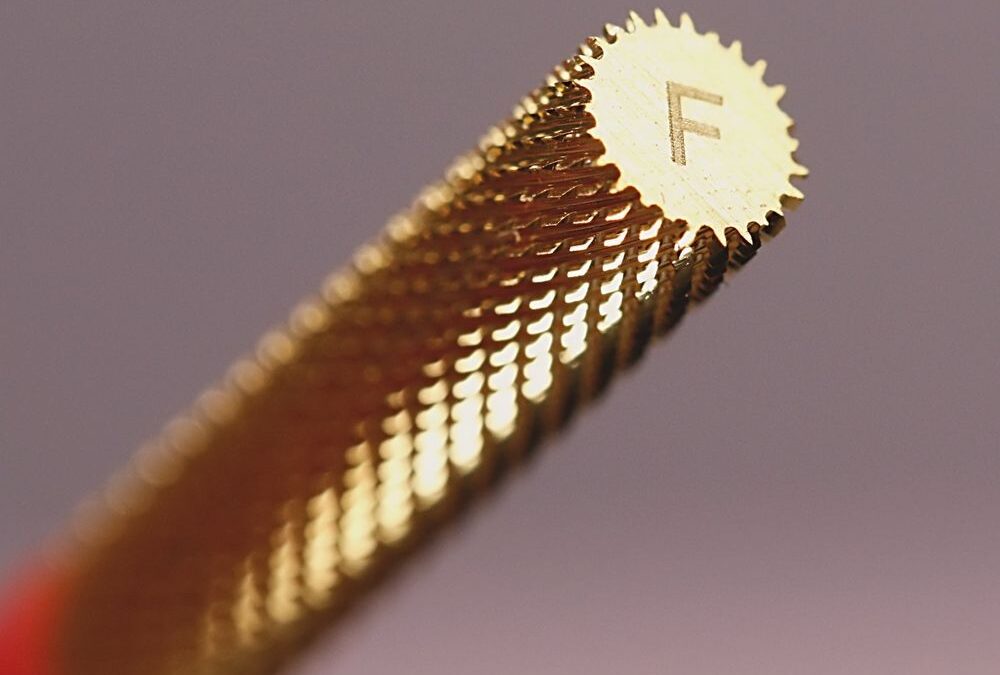
if you remember only one thing: when we set out to remove acrylics cleanly and calmly, we trade aggressive speed for intention — and the Super Long Barrel Drill Bit (Fine grit) becomes our confidante. The long, slim gold-coated barrel with its tightly spaced micro-ridged cross-cut texture is built to ease finishing and sealing around the cuticle, and when we match technique to tool we can dramatically minimize nail drill vibration and the heat that makes clients flinch.
Why the Super Long Barrel feels different
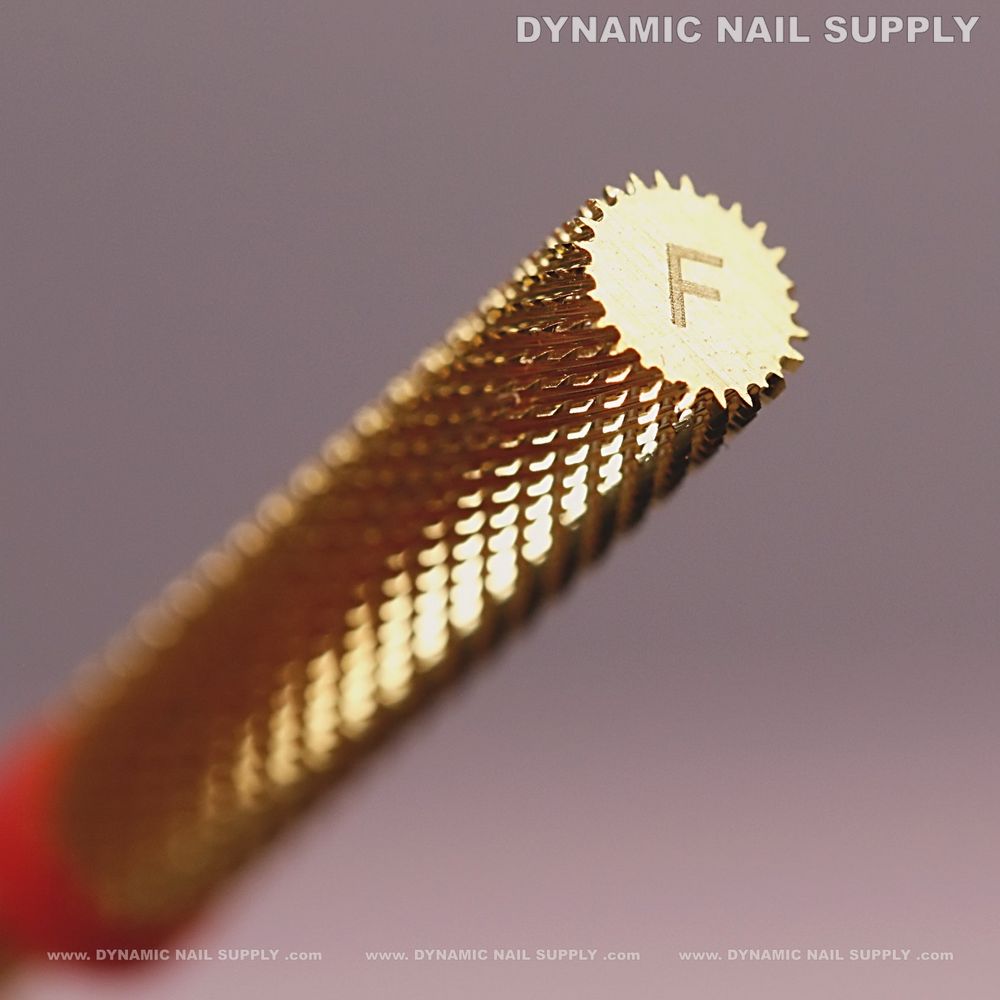
From the close-up photo we studied, the bit’s warm gold barrel and matching shaft catch light across a finely cross-cut finish, and that micro-texture is what shaves acrylic slowly instead of tearing. The super long profile gives more surface area contact for feathered strokes, and the small bright red rubber stop near the shaft and the visible matte silver collet remind us to set a secure depth so the bit doesn’t rock. Because the teeth are tightly spaced they remove material at a predictable rate, which helps us control vibration before it starts.
RPM, pressure and the soft-touch rhythm
We tone down RPM to reduce both heat and chatter: with a fine grit barrel bit like this one we usually work in the lower mid-range of a typical e-file rather than flat-out high speed, and we keep torque modest so the motor doesn’t hunt. The exact dial varies by machine, but think: steady RPM, not sprinting. Pressure is where beginners trip up — the goal is contact, not aggression. A feather-light, gliding pressure lets the cross-cut teeth do the job; if we push hard the bit digs, friction spikes and vibration follows. Use short sweeping passes and allow the bit to rest briefly between zones so heat dissipates.
Hand placement, angling and pathing that prevent chatter
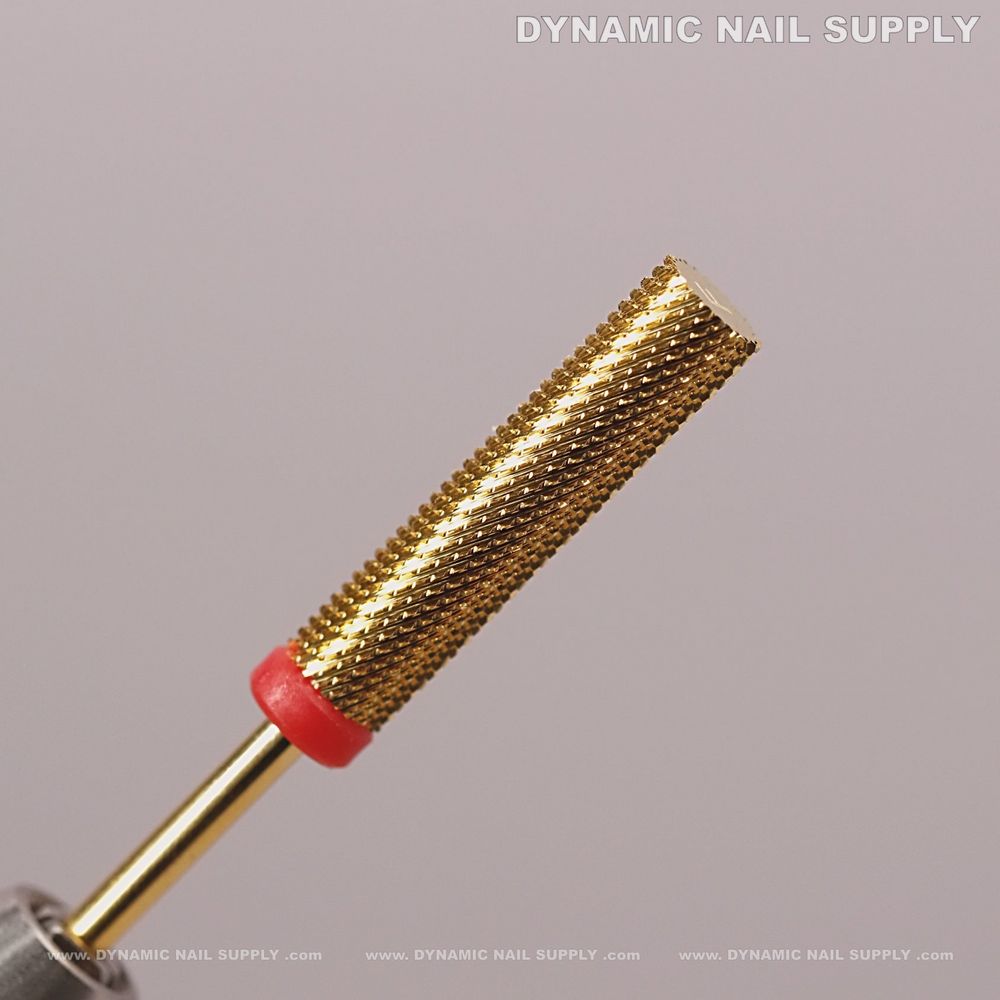
We position the client’s hand so we can work with the natural line of the nail and keep our own wrist relaxed, using the long barrel to reach the cuticle line without tipping the tool. Angling the barrel shallowly — almost parallel to the nail surface for finish shaping — spreads contact across the length of those micro-ridged teeth and stops a single point from grabbing. For sealing the acrylic near the cuticle, use the tip of the barrel with a slight tilt and a gentle sweep outward; for smoothing the free edge, roll the barrel across the edge in controlled micro-strokes. This keeps the bit moving and prevents the intermittent grabbing that creates vibration.
Stroke patterns and sequence for calm removals
Adopt a predictable pattern: perimeter first, bulk reduction next, then finish and cuticle seal. Begin with light, even strokes around the cuticle to remove shine and thin the acrylic, then move to slightly longer strokes down the center. Finish with delicate lateral passes that blend the surface. Pause frequently to check temperature; if the client feels warmth or you sense chatter, stop, increase ventilation, or switch to a lower speed stroke. Practicing these sequences on tips or practice fingers helps us internalize the rhythm without the pressure of a live client.
For a quick product reference while you’re practicing, we keep the product shot handy here https://dynamicnailsupply.com/products/super-long-barrel-drill-bit-fine-grit-professional-for-removing-acrylic-nails
Why the visual cues in the photo matter
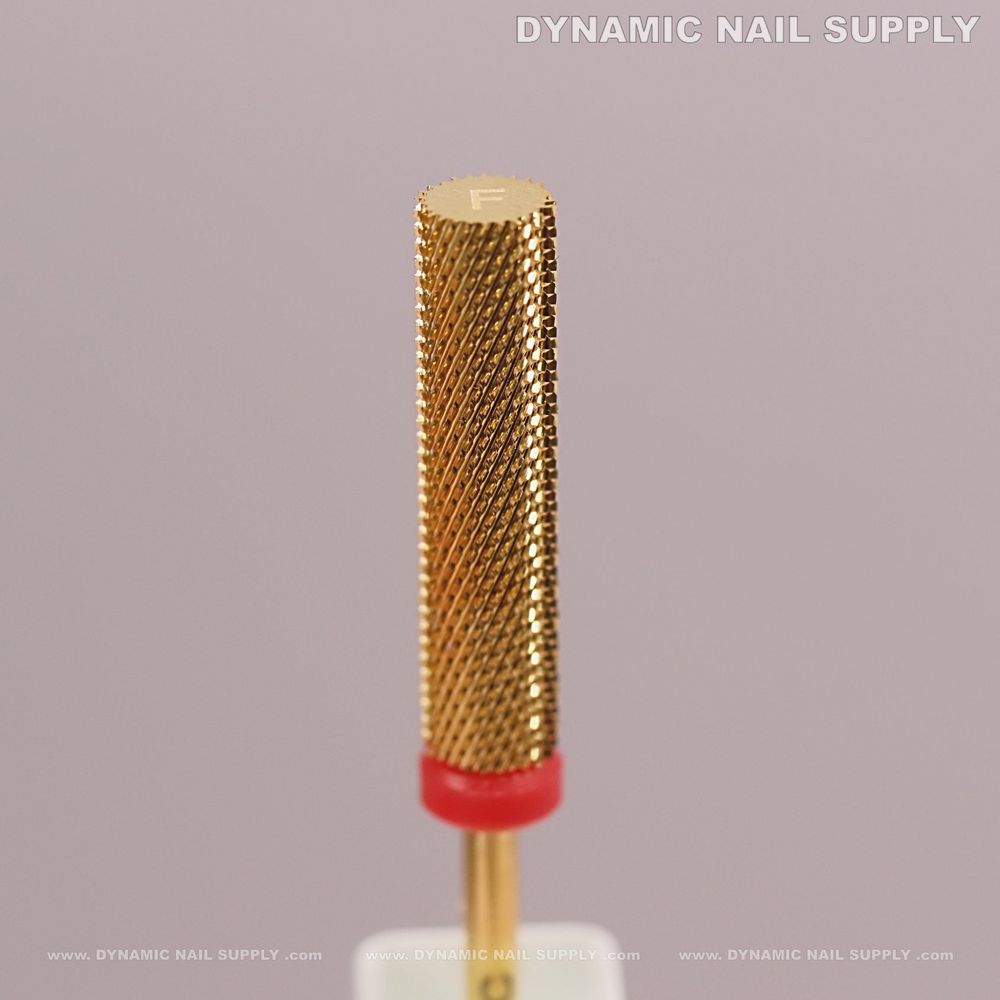
That pale mauve-gray backdrop in the image highlights the reflective gold coating and the micro-texture so we can study how light plays across the teeth — useful when we’re learning how the bit bites. The bright red rubber stop is a small design cue that prompts us to set consistent insertion depth into the collet so the shaft doesn’t shift mid-service. The visible silver machine holder in the photo reminds us to confirm a snug fit in the handpiece before testing any speed changes.
Safety, hygiene and care notes
Handle the carbide tungsten barrel with care: let it cool between uses, avoid excessive pressure that accelerates wear, and clean debris out of the cross-cut grooves between clients. Use a secure rubber stop to prevent slippage. Follow your handpiece manufacturer’s guidance for sterilization-compatible practices; remove buildup with a brush and disinfect according to your salon protocol. Never force a stuck bit free with tools in ways that might bend the shaft.
FAQ
- Will a finer grit always reduce vibration? Not automatically — a finer grit like this one removes material more slowly, but technique, RPM and secure collet fit are equally important.
- Should we reverse direction if vibration starts? The Super Long Barrel fine bit is made for use both clockwise and counter-clockwise, but instead of swapping direction first, we usually lower speed and lighten pressure to diagnose the cause.
- How do we test temperature safely? Pause and lift the handpiece a few millimeters off the nail and allow the client to tell you if they feel heat, or use an indirect touch with a disposable wooden pusher to sense warmth on the free edge.
Quick reference
- RPM: lower mid-range, steady not sprinting.
- Pressure: feather-light, glide-first.
- Angle: shallow for blending, slight tilt for cuticle sealing.
- Sequence: perimeter → bulk → finish → cuticle seal.
- Care: brush debris, let cool, secure rubber stop and collet.